
Inside DEON
DEON NEWSA shared brief. A clearer beginning.
Good collaboration begins with clear priorities. A practical editorial perspective on preparing an audio product brief for an OEM or ODM conversation.
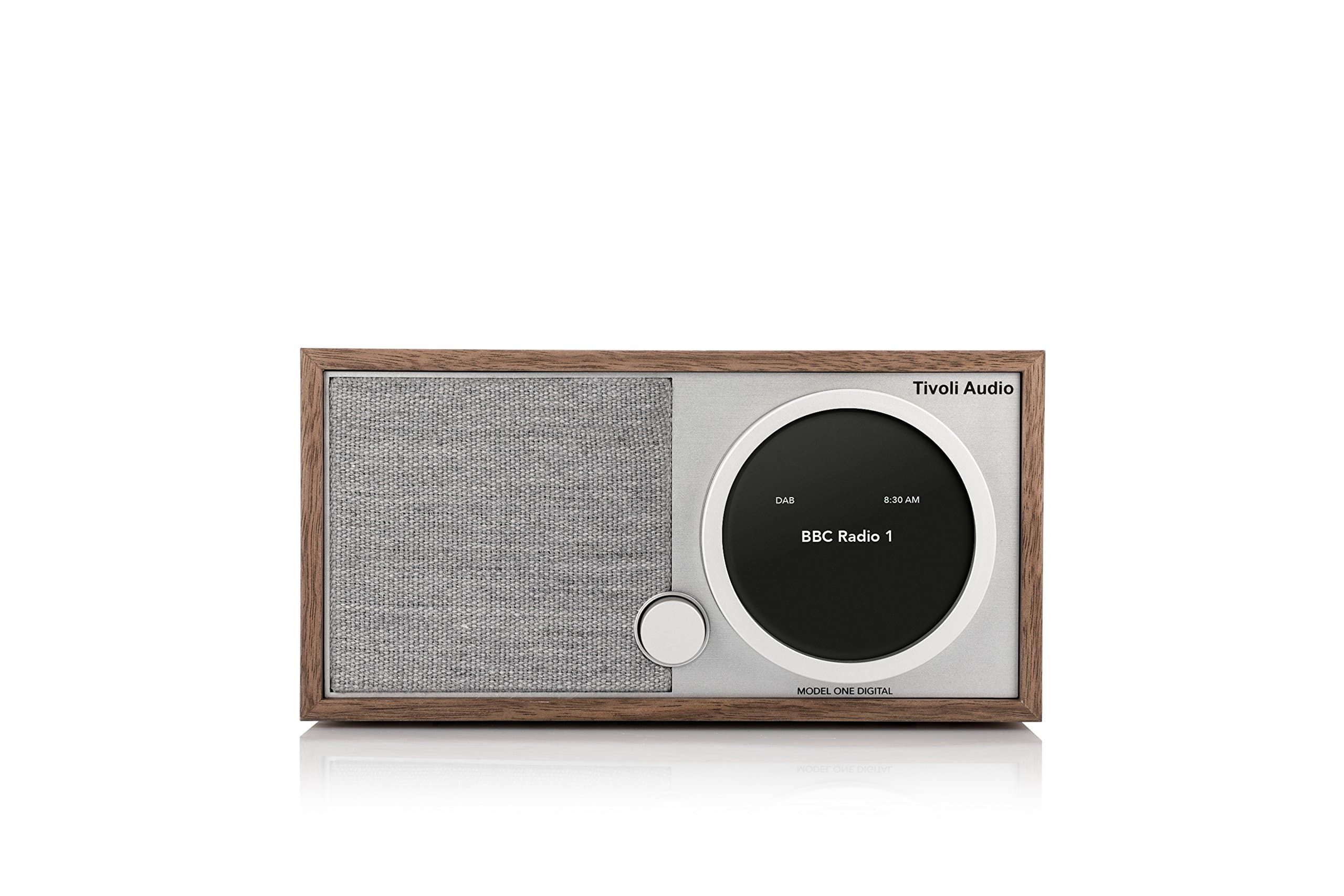
A useful product conversation does not need every answer in advance. It needs a clear starting point: who the product is for, what the brand wants to create and which decisions still need to be explored.
For an international audio collection, a shared brief gives design, engineering and commercial discussions the same frame of reference. It makes the open questions visible and gives both teams a practical way to move forward.
01 / THE INTENTION
Describe the experience before the details.
Begin with the listener and the setting. Is the product a companion for a living space, a compact system for a desk or something intended to travel? Describe the role it should play and the identity it should express.
Choose a small number of design references and explain what each one contributes. A material relationship, an interface detail and a product silhouette are different kinds of input; naming the distinction makes the conversation more precise.
The strongest starting point is a shared understanding of what matters.
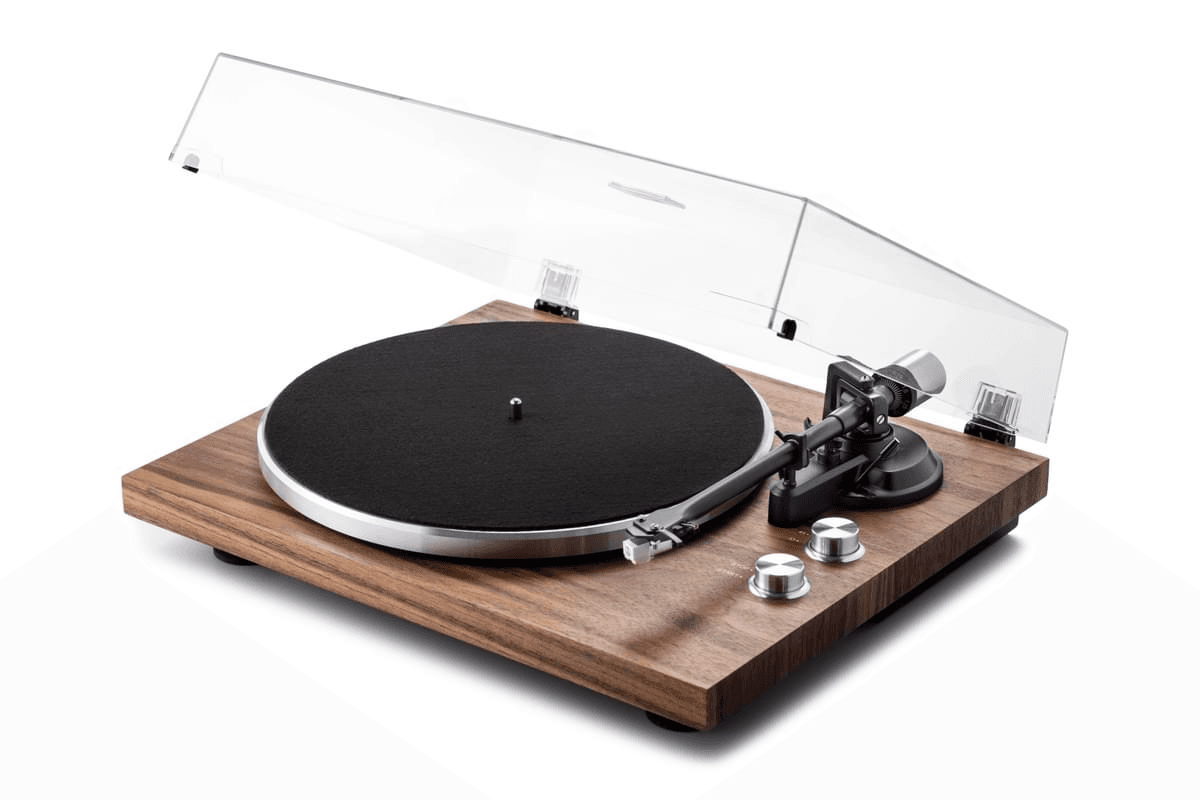
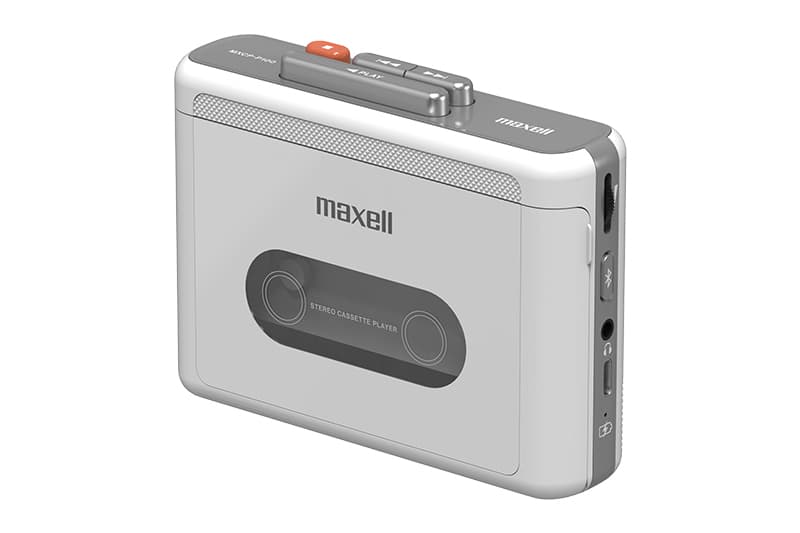
02 / THE PRACTICAL INPUTS
Separate essentials from possibilities.
Include the product category, intended markets, essential functions, preferred materials, approximate quantity and desired launch window. Identify which details are fixed and where alternatives can be considered.
Explain which files or samples your team can provide and where development support is needed. An OEM or ODM label does not by itself settle the design scope, tooling, sample stages or approval responsibilities. Those decisions belong in the project discussion.
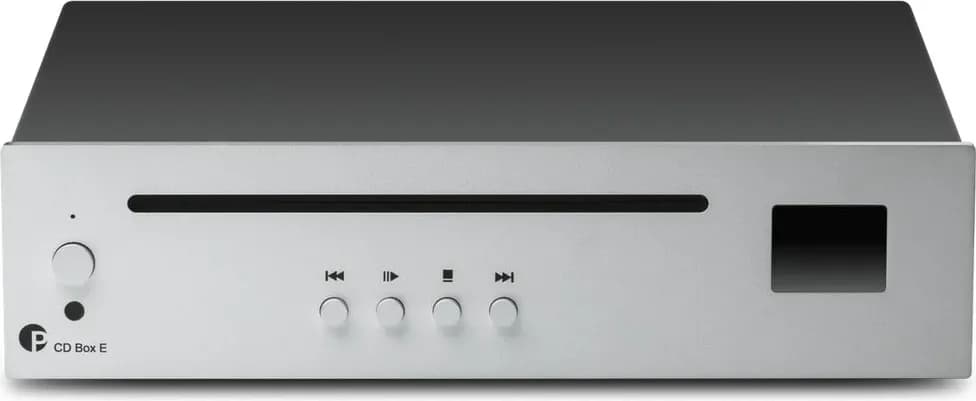
03 / THE NEXT CONVERSATION
Leave room for a considered response.
A clear brief supports useful questions about feasibility, product direction and the sample plan. Record the next decisions and who needs to review them, so that the project does not move forward on different assumptions.
Explore the DEON product categories to define the starting format, then review OEM & ODM for the collaboration approach. The Contact page helps prepare a project brief; the current local website does not send it to an inquiry service automatically.
Thoughtful audio. Lasting partnerships.