
Design notes
DEON NEWSThe quiet art of the turntable.
Warm materials. A measured silhouette. A listening ritual that begins before the first note. Exploring the design decisions that give a turntable its character.
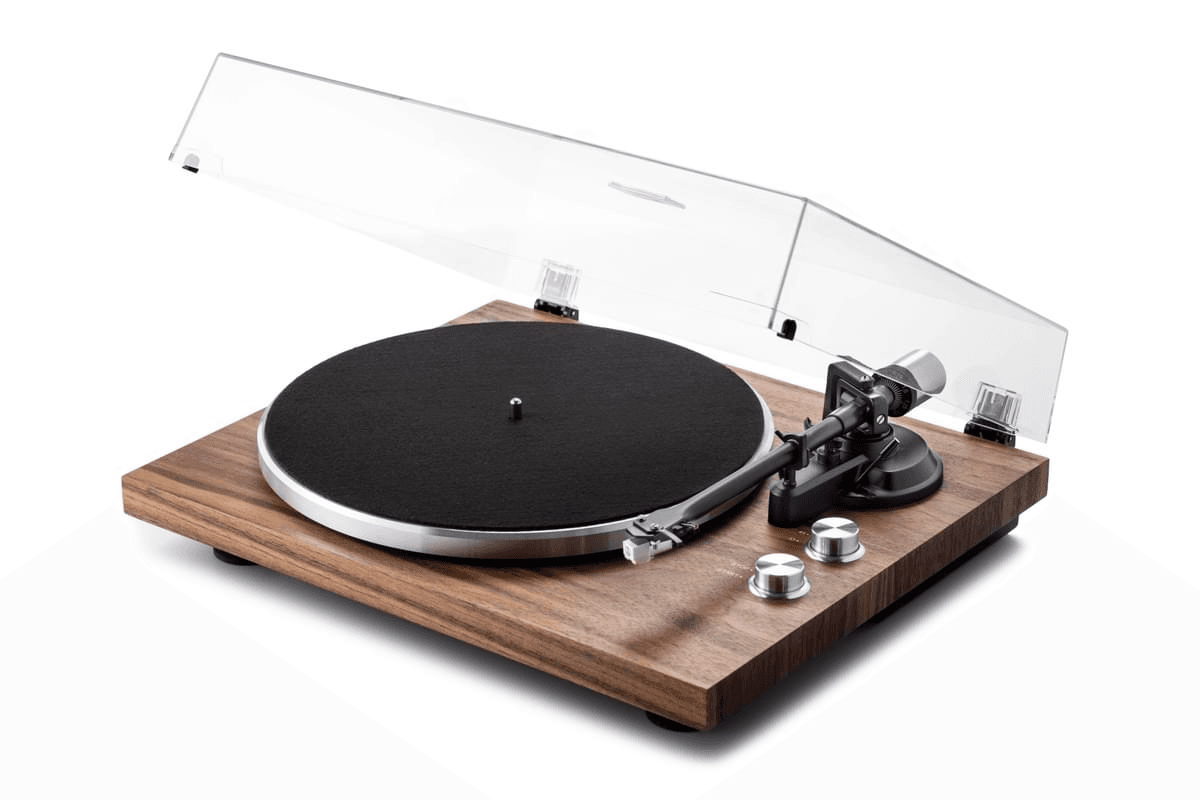
There is a small pause before a record begins. A sleeve is set aside, a surface is cleared and attention moves towards the object in front of us. A turntable belongs to that moment as much as it belongs to a product collection.
For a brand developing an analog audio product, the design conversation can begin here: what should this everyday experience feel like? The answer gives materials, proportions and controls a shared purpose.
01 / FORM & PROPORTION
Give the object room to breathe.
A clear silhouette helps the eye understand the product. Consider the balance between the cabinet, platter, tonearm and controls rather than treating each element as a separate styling opportunity.
Look at the product in the setting where it will live. A sideboard, a shelf and a compact desk offer different amounts of space. A useful design brief describes that setting, including how a listener approaches the controls and opens the cover.
The first impression should make the next action feel natural.
02 / A MATERIAL LANGUAGE
Warmth, precision and restraint.
Woodgrain, metal and transparent surfaces can each bring a different visual character. The task is to establish a relationship between them: one primary material, a considered supporting finish and a small number of deliberate details.
A reference photograph can communicate an atmosphere, but it cannot settle the specification. Review physical samples for color, grain, sheen and touch. Record the approved direction so that the same material name does not carry different expectations for different teams.
03 / THE LISTENING EXPERIENCE
Design a family, not just a finish.
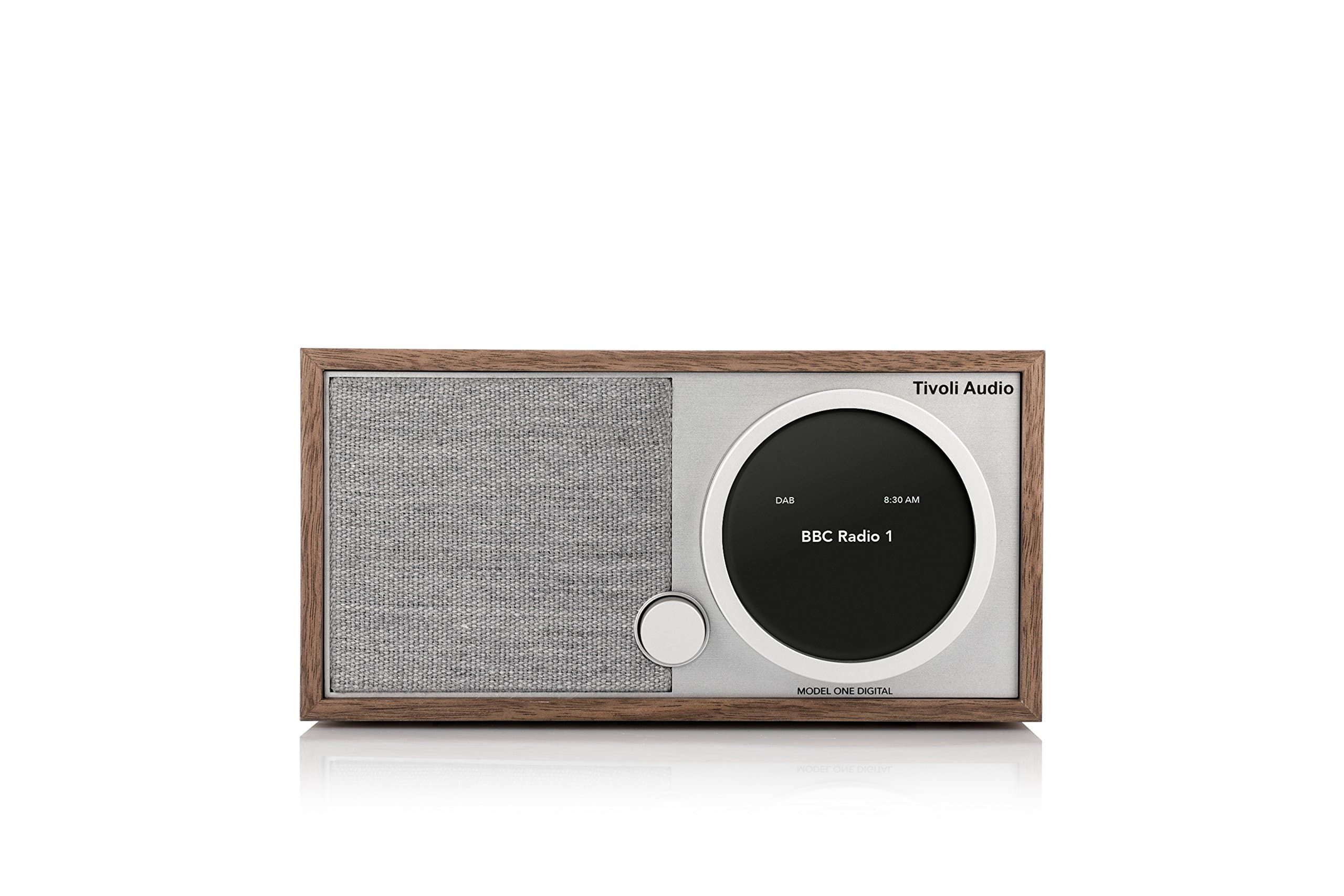
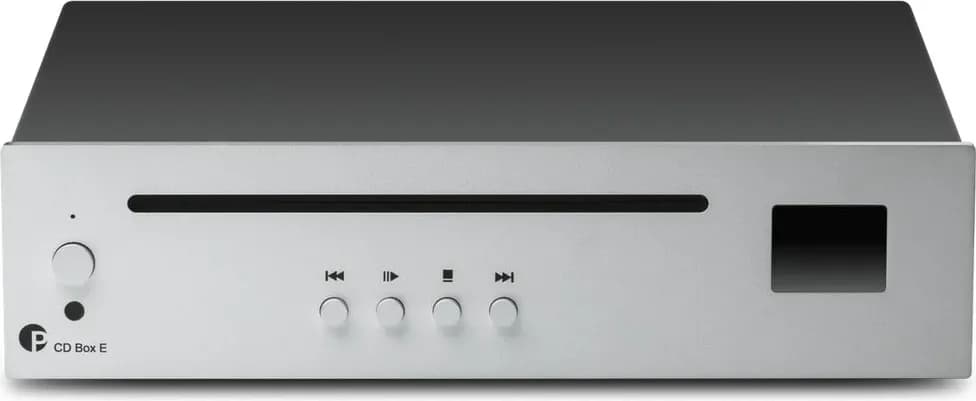
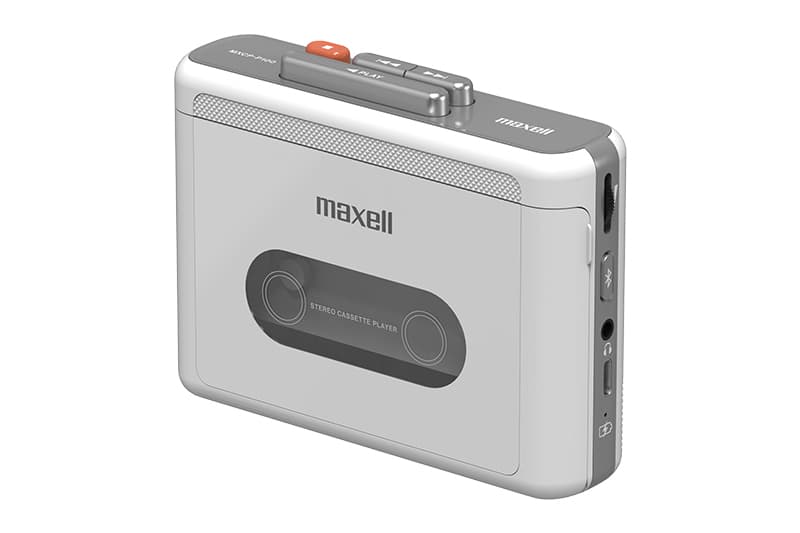
When a brand works across several audio formats, a shared identity can come from the rhythm of the controls, a consistent approach to graphics or a related palette. Every product does not need to repeat the same shape.
Begin the development conversation with the audience, intended markets, essential functions, materials and approximate volume. Those inputs help turn a visual direction into questions that design and engineering can review together.
Thoughtful audio. Lasting partnerships.