
Design notes
DEON NEWSMaterials that make an impression.
A closer look at woodgrain, metal, color and touch—and how a coherent material palette can connect an audio collection.
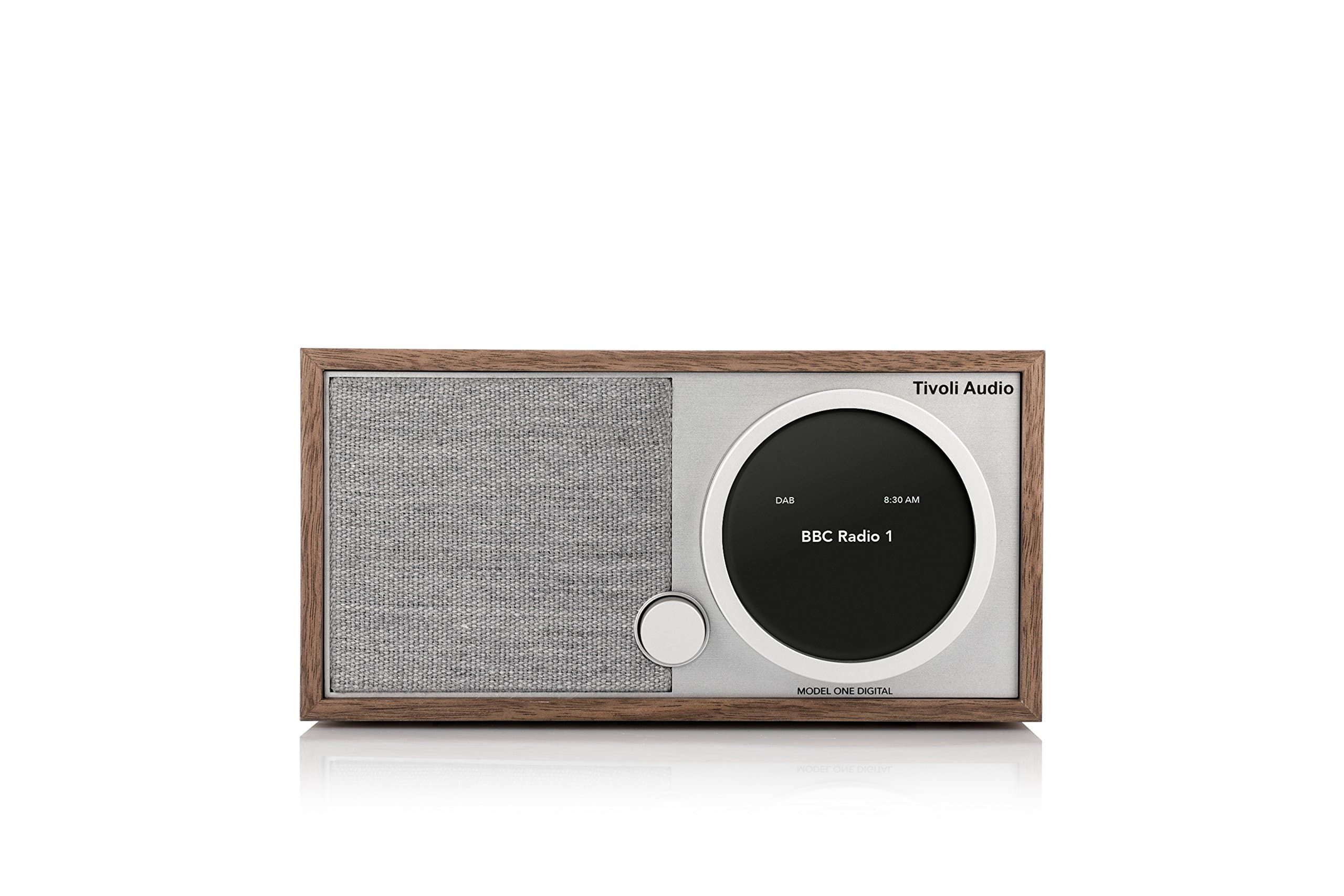
Before a listener turns a dial, the surfaces of an audio product have already begun a conversation. A warm cabinet, a quiet sheen or a carefully judged contrast can suggest how the object belongs in a room.
Choosing a material palette is an opportunity to define a product identity. It is also a practical discussion about appearance, touch, structure and the process needed to achieve the intended finish.
01 / THE PRIMARY SURFACE
Choose a clear starting point.
Decide which surface carries the identity of the product. It might be a wood-finished cabinet, a restrained metal face or a colored housing. Supporting details can then reinforce that direction without competing for attention.
Describe the intended setting and audience in the brief. A warm domestic object and a compact portable companion may need different material relationships even when they belong to the same brand.
A coherent palette feels considered before a single detail asks for attention.
02 / FROM A WORD TO A SAMPLE
Make the finish specific.
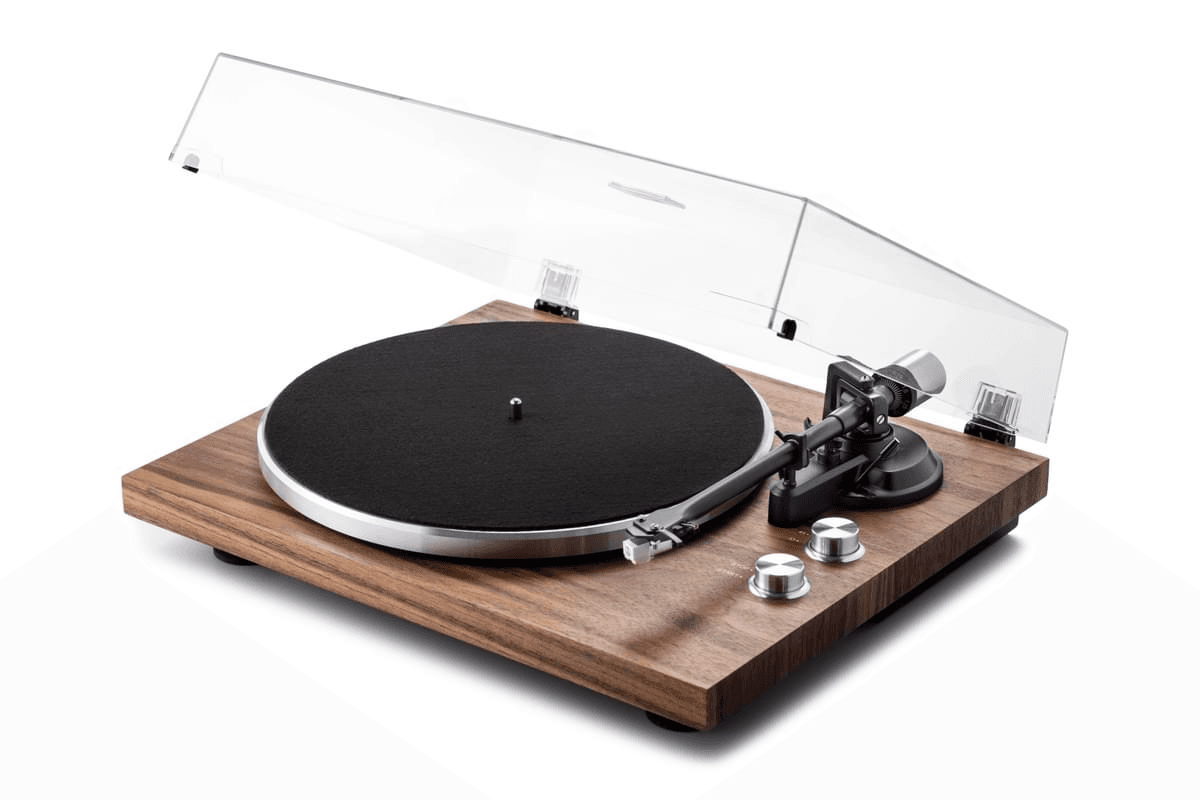
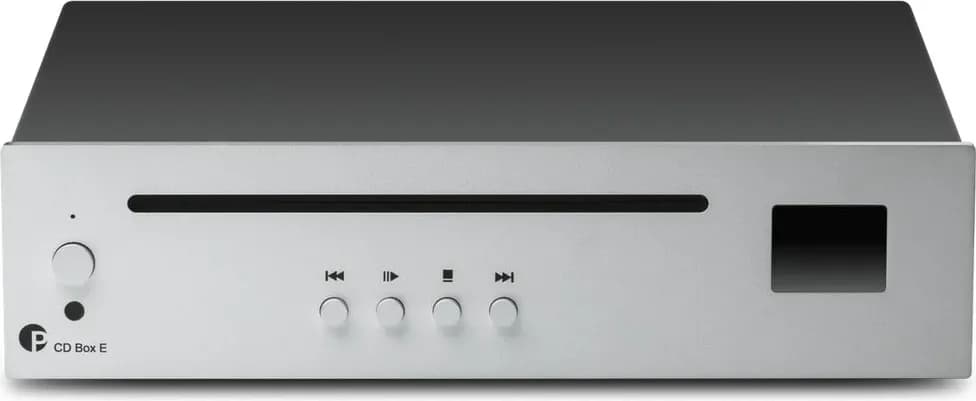
Terms such as natural, brushed, matte or premium can mean different things to different people. Use reference samples and clearly described approval criteria to give those words a shared meaning.
Review the relationship between the main surface, printed graphics, control finish and adjacent parts. Ask how the appearance will be assessed and keep an agreed reference for later reviews. Photographs are helpful for discussion, while a physical sample supports decisions about touch and sheen.

03 / THINKING THROUGH MAKING
Let the process join the conversation.
The finish should be discussed alongside the component design and assembly plan. Ask which surfaces need protection, where parts meet and which details require special attention during handling.
For an OEM or ODM project, include preferred materials and finishes in the first brief, while identifying where alternatives can be considered. The final choice should follow the agreed product specification and sample review.
Thoughtful audio. Lasting partnerships.